
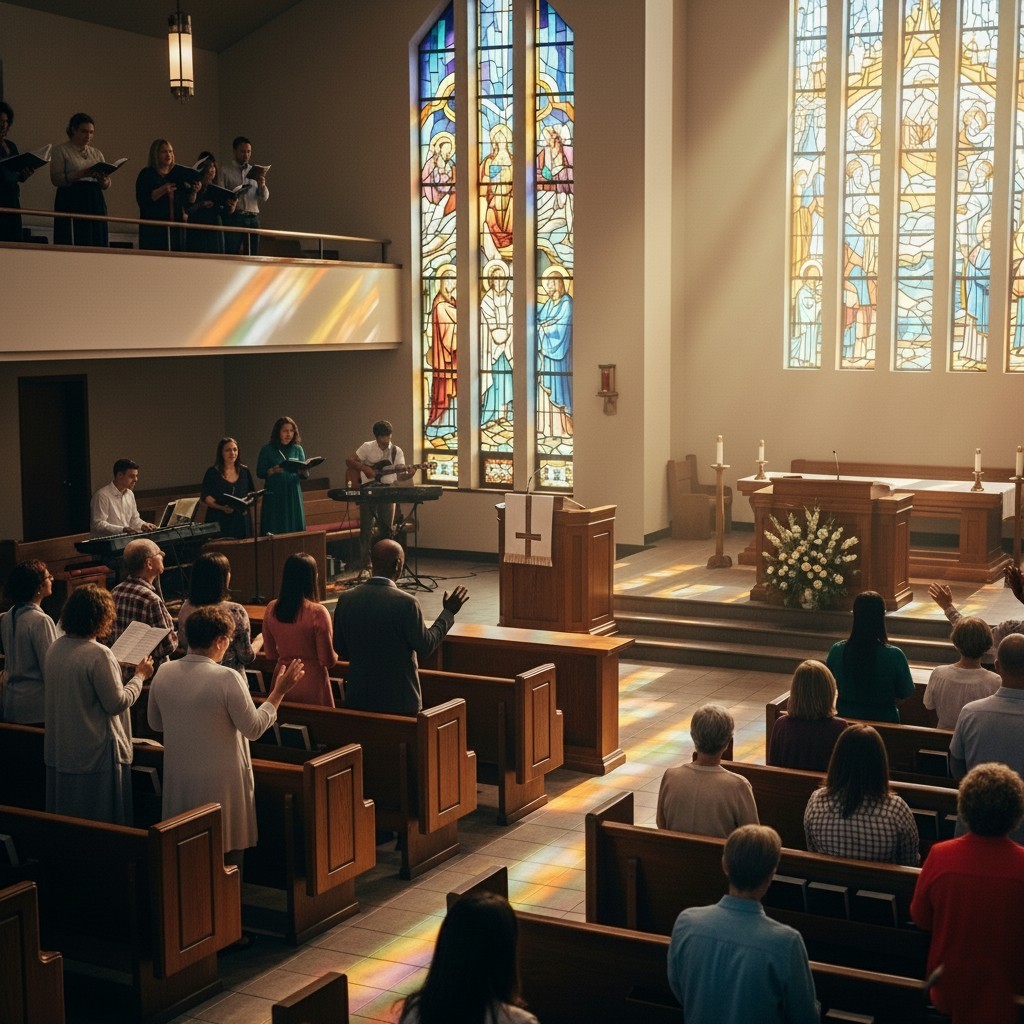
Sabbath, Sunday, and True Worship Under Grace: A Biblical Exploration
1. The Old Testament Command
In the Old Testament, God commanded Israel to keep the seventh day (Saturday) as the Sabbath (Exodus 20:8–11; Deuteronomy 5:12–15). This day was a covenantal sign, a time of rest, and a reminder of creation and deliverance. The Sabbath was not optional—it was central to Israel’s identity, and breaking it was a serious offense (Numbers 15:32–36).
Beyond the weekly Sabbath, Israel also observed festivals, new moons, and appointed feasts (Leviticus 23). Worship was tied directly to these God-appointed times. Thus, in the Old Testament, the day of worship mattered because it was part of God’s covenantal law with Israel.
2. Christ’s Teaching on the Sabbath
Jesus honored the Sabbath but clarified its true meaning:
- “The Sabbath was made for man, not man for the Sabbath. So the Son of Man is Lord even of the Sabbath.” (Mark 2:27–28)
- He healed and did good on the Sabbath, teaching that the day was given for life and mercy, not bondage.
- While He never abolished or transferred the Sabbath command during His earthly ministry, His death and resurrection fulfilled the Law and introduced the New Covenant.
3. The Early Church and the First Day
After the resurrection (which happened on the first day of the week – Sunday), the New Testament shows believers gathering on this day:
- Jesus appeared to His disciples on the first day (John 20:19, 26).
- Early Christians broke bread on the first day (Acts 20:7).
- Paul instructed collections on the first day (1 Corinthians 16:2).
- John spoke of being “in the Spirit on the Lord’s Day” (Revelation 1:10).
By the second century, writers like Ignatius and Justin Martyr testified that Christians met on Sundays to celebrate Christ’s resurrection. Over time, Sunday became the primary worship day, especially as Christianity spread among Gentiles. Constantine’s decree in 321 AD later gave Sunday legal recognition in the Roman Empire.
4. Agreement and Tension
- Agreement with Scripture: Sunday worship honors Christ’s resurrection and reflects the freedom of the New Covenant.
- Tension with Scripture: Nowhere does the Bible explicitly command moving the Sabbath to Sunday. The Old Testament law required the 7th day, while the New Testament emphasizes freedom in Christ.
5. Worship Under Grace
The New Testament makes clear that in Christ, no day is divinely binding:
- “One person esteems one day as better than another, while another esteems all days alike. Each one should be fully convinced in his own mind.” (Romans 14:5–6)
- “Let no one pass judgment on you in questions of… a festival or a new moon or a Sabbath. These are a shadow of the things to come, but the substance belongs to Christ.” (Colossians 2:16–17)
- “You observe days and months and seasons and years! I am afraid I may have labored over you in vain.” (Galatians 4:10–11)
Instead, worship is now defined by spirit and truth (John 4:23–24) and by presenting our lives as a living sacrifice (Romans 12:1). Corporate gatherings remain vital (Hebrews 10:25), but they are not tied to legal obligations of days.
6. Biblical Position Statement
- God commanded Israel to keep the seventh-day Sabbath under the Old Covenant.
- Christ fulfilled the Law and is Himself the Lord of the Sabbath.
- The New Testament shows believers meeting on the first day, but does not command it as law.
- Under grace, no day is inherently holier than another; all days belong to the Lord.
- True worship is not bound to a calendar but is expressed in spirit, truth, and daily surrender.
- Sunday worship is a valuable Christian tradition rooted in the resurrection, but it must never be confused with a salvation requirement.
In Summary:
The Sabbath command was central under the Law, Sunday gatherings emerged in the early church as a resurrection celebration, but in Christ, worship transcends days. The true measure of worship is not Saturday or Sunday, but whether our lives are surrendered to God in spirit and truth.