
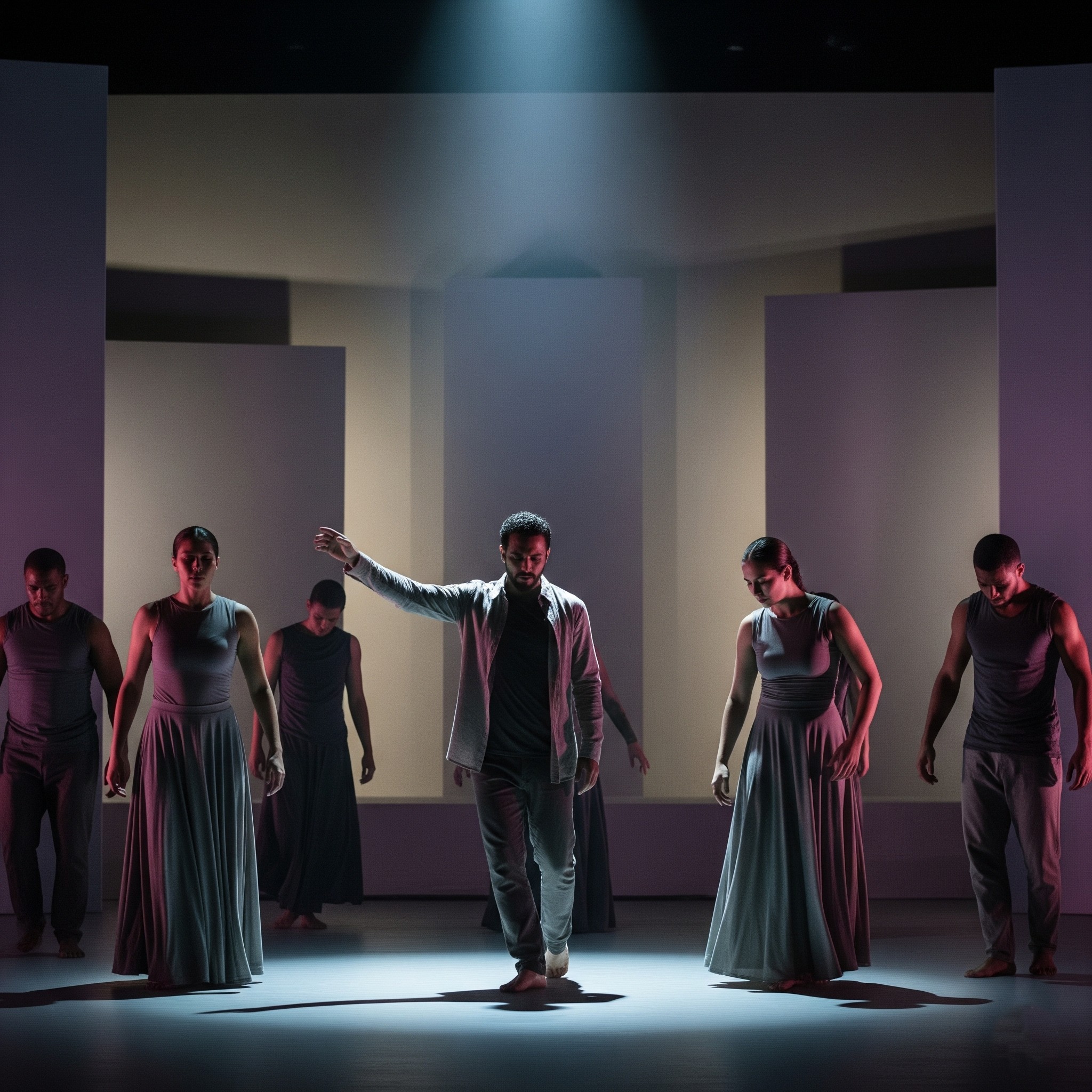
Worship Through Songs and Dance: A Biblical Guide for Today’s Christians
Introduction
From the beginning of Scripture to the heavenly visions in Revelation, God’s people have always expressed worship through music, singing, and even dancing. But with so many different musical styles today—and some songs labeled “Christian” but not biblically sound—believers often ask: What kind of worship through songs and dance truly honors God?
This guide brings together the biblical foundation from both the Old and New Testaments, principles for discerning worship, and guidance for Christians in the current generation.
1. Biblical Foundation of Singing and Dancing in Worship
Old Testament
- Singing as command and celebration – Israel sang to commemorate God’s acts (Exodus 15:1; Psalm 96:1).
- Temple worship with music – Levites were appointed to lead songs with harps, cymbals, trumpets (1 Chronicles 16:4–6).
- Dancing as joy before the Lord – Miriam danced after the Red Sea victory (Exodus 15:20). David danced with all his might before the Lord (2 Samuel 6:14).
Singing and dancing were national, ceremonial, and often tied to temple rituals or God’s deliverance.
New Testament
- Singing as Spirit-filled worship – Believers are called to sing psalms, hymns, and spiritual songs (Ephesians 5:19; Colossians 3:16).
- Jesus and the Apostles sang – Christ sang a hymn with His disciples (Matthew 26:30). Paul and Silas sang hymns in prison (Acts 16:25).
- Heavenly worship is filled with singing – Angels and redeemed saints sing new songs before God’s throne (Revelation 5:9; 14:3).
Singing under the New Covenant is universal, Spirit-filled, and Christ-centered, not bound to temple rituals.
2. Genre and Style: Does the Bible Prescribe One?
The Bible never restricts worship to a single musical genre. Worship included:
- Solemn laments (Psalm 22)
- Joyful celebration (Psalm 150)
- Quiet meditation (Psalm 23)
- Shouting and dancing (Psalm 98:4; 2 Samuel 6:14)
Modern styles (hymns, gospel, contemporary, even rock-like rhythms) can be used if they meet biblical standards.
3. When Does Singing and Dancing Go Wrong?
A. Lyrics Without Biblical Foundation
- Worship must be in spirit and truth (John 4:24).
- If lyrics contradict Scripture, focus only on self, or distort God’s promises, they are not true worship (Colossians 3:16).
B. Worldly Entertainment in Disguise
- Worship must not imitate the world’s sinful patterns (Romans 12:2; 1 John 2:15).
- When music becomes performance-driven or sensual instead of God-centered, it ceases to glorify Him.
C. Disorderly or Self-Glorifying Expression
- Paul warns: “Let all things be done decently and in order.” (1 Corinthians 14:40)
- Worship is not a show; it is the gathered church giving glory to God.
4. Principles for Worship Through Songs and Dance Today
- Christ-Centered – Songs must glorify Christ and His gospel (Colossians 3:17).
- Word-Filled – Lyrics must align with Scripture (Colossians 3:16).
- Spirit-Led – True worship flows from the Spirit, not the flesh (Ephesians 5:18–19).
- Reverent yet Joyful – God delights in both solemn reverence (Hebrews 12:28) and jubilant praise (Psalm 150).
- Edifying – Songs and dances must build up the church, not just stir emotions (1 Corinthians 14:26).
- Pure in Expression – Dancing should be joyful and holy, never sensual or distracting (Exodus 15:20; 2 Samuel 6:14).
5. Practical Guidelines for Today’s Christians
- Test every worship song by Scripture – Does it proclaim God’s truth, or just sound spiritual?
- Discern genre by principle, not taste – Rock, gospel, hymns, or contemporary can glorify God if they are Christ-centered, but reject any style that exalts the flesh.
- Encourage both reverence and celebration – Worship can be quiet and meditative, or loud and dancing—but always directed to God.
- Guard against performance – Worship teams should lead the congregation to God, not to themselves.
- Train hearts more than voices – Worship is acceptable to God because of Christ, not musical excellence alone.
Conclusion
Biblical worship through song and dance has always been about more than music or movement—it is about exalting God in truth, with all our hearts. The Old Testament shows worship in temple rituals, national celebrations, and victories. The New Testament re-centers worship on Christ, the Spirit, and the gathered church, with an eye toward the eternal song in heaven.
For today’s generation, the guideline is clear: worship must be Christ-centered, Word-filled, Spirit-led, and edifying. Whether through hymns, modern praise, or even dance, what matters is not the genre but the heart of obedience and truth before the Lord.
Worship Discernment Flowchart
Start Here:
You are considering a song or dance for worship
Step 1: Lyrics Check
Are the lyrics biblically sound?
- Yes → Go to Step 2.
- No → Reject. (Worship must be in Spirit & truth – John 4:24)
Step 2: Christ-Centeredness
Does it glorify Christ and the gospel, or just human emotion/self?
- Christ is exalted → Go to Step 3.
- Self is exalted → Reject. (Colossians 3:17)
Step 3: Spiritual Fruit
Does it edify the congregation, strengthening faith?
- Yes, builds up → Go to Step 4.
- No, only stirs emotions / entertains → Reject. (1 Corinthians 14:26)
Step 4: Purity of Expression
Is the music/dance holy and reverent (not sensual, disorderly, or worldly imitation)?
- Yes → Go to Step 5.
- No → Reject. (Romans 12:2, 1 Corinthians 14:40)
Step 5: Spirit-Led
Is it offered with a genuine heart of worship, not performance-driven?
- Yes → Approved for Worship!
- No → Reevaluate motives. (Ephesians 5:19)
Approved for Worship = Christ-centered, Word-filled, Spirit-led, and edifying.
Reject = If any step fails, it is not true worship.